Inspiration and Information About the Outdoors



Inspiration and Information About the Outdoors

Bears have long been known as symbols of strength and courage. Despite this, these animals can be dangerous when encountered in the wild, especially when someone is unaware of how to properly avoid or handle an encounter with them. Below are common misperceptions about bears, how to avoid them, and advice about what to do in a bear encounter. Always discuss bear safety with experts in the your area before going out into area in which bears are active.
There are many common misconceptions and myths about bears found in the continental United States that have been popularized as fact, but in a situation where you may be trying to avoid these mammals or in a direct confrontation with one, these misconceptions can cause harm. Knowing the truth behind these misconceptions can help keep people safe if they ever encounter a bear while hiking or camping. It can also help people better understand the behaviors and habits of these remarkable creatures.
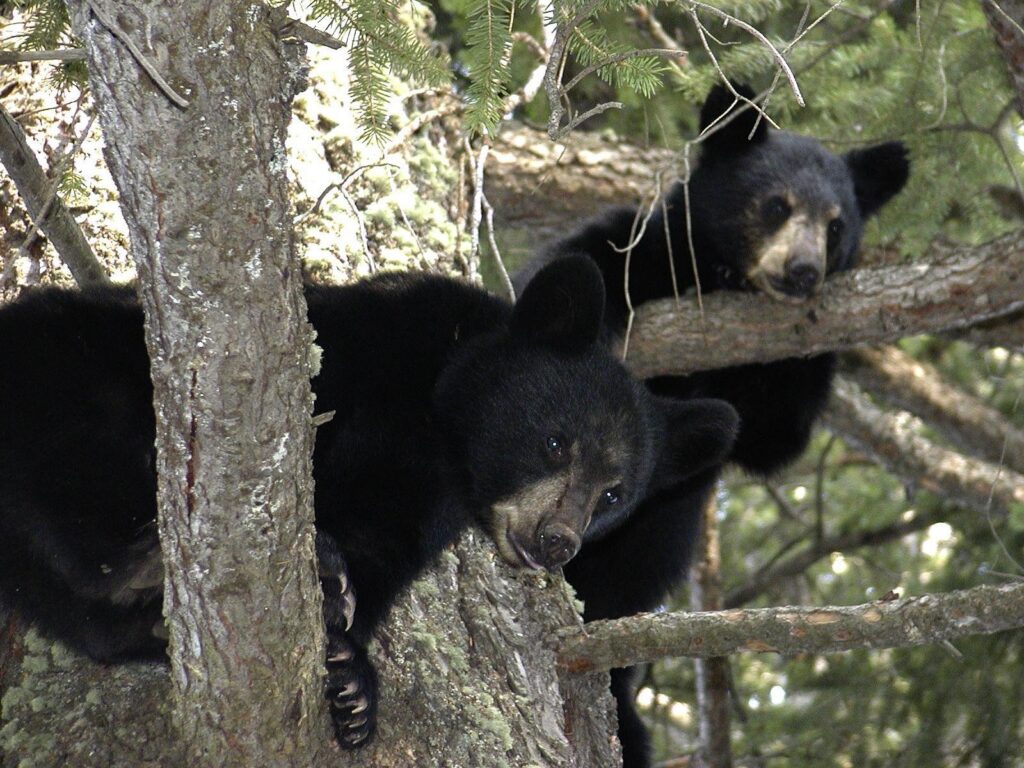
Although bears’ ability to climb trees can vary between species, this belief is inaccurate. Black bears, in fact, tend to be very skilled when it comes to climbing and can climb quite fast. They also have a habit of putting their cubs up in trees for safety reasons. Although brown bears do have the ability to climb trees, they often choose not to climb because it is a lot harder for them due to their large size and weight. Their signature shoulder hump and the shape of their claws also make climbing trees more difficult.
Bottom line: Never assume that a bear cannot climb a tree.
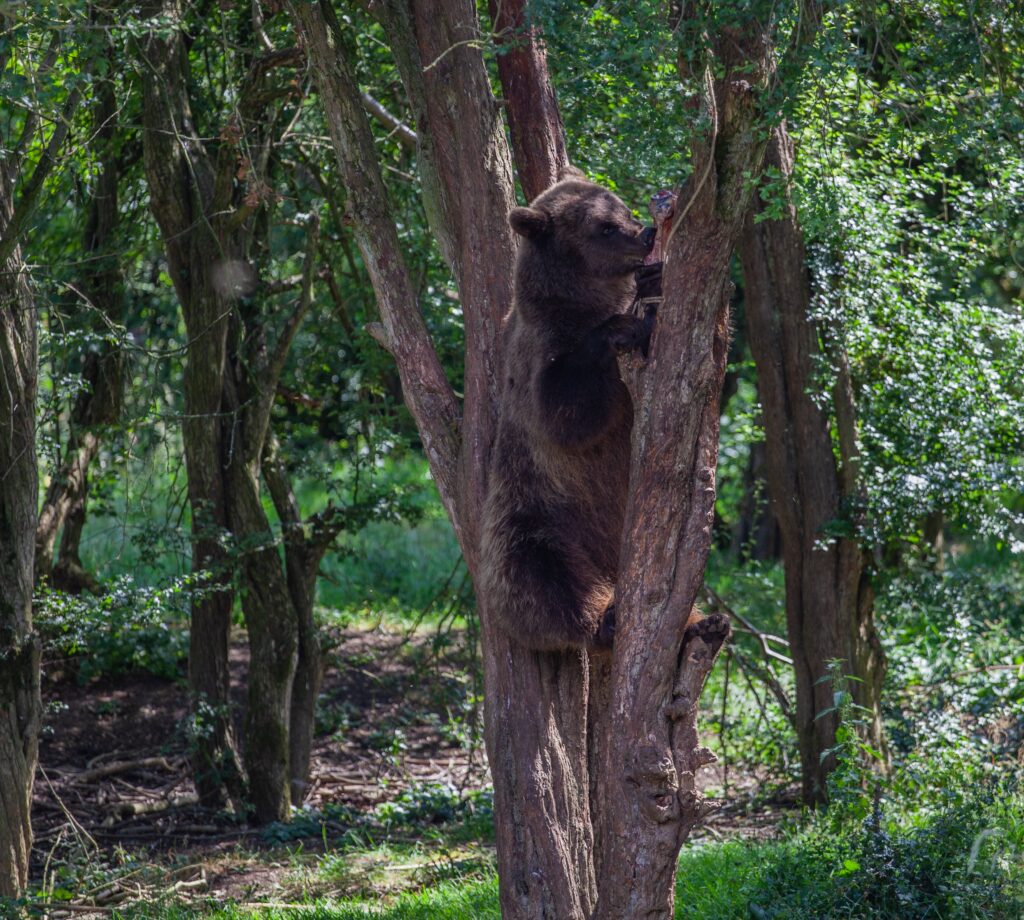
Some people believe that bears are not capable of running downhill due to their front legs being shorter than their hind legs. The theory behind this is that by running downhill, these physical proportions would cause them to lose balance and tumble forward. However, bears can run in any direction on a hill. In fact, bears can run up to 35 miles in any direction, making them impossible to outrun.
Although many people believe that hibernation for bears means a deep sleep that continues all of the winter season, bears actually enter a state of light sleep known as “torpor.” In this state of sleep, their heart rate slows, and they do not need to eat or drink. However, even during this period, bears can awaken relatively quickly if disturbed.
Location is one of the major factors that influences hibernation habits between bears. For example, those living in northern regions can be in torpor for six to seven months, while those in more temperate climates, such as the Smoky Mountain areas, can be in torpor from three to five months. Don’t assume that, just because it is technically winter, bears are not active.
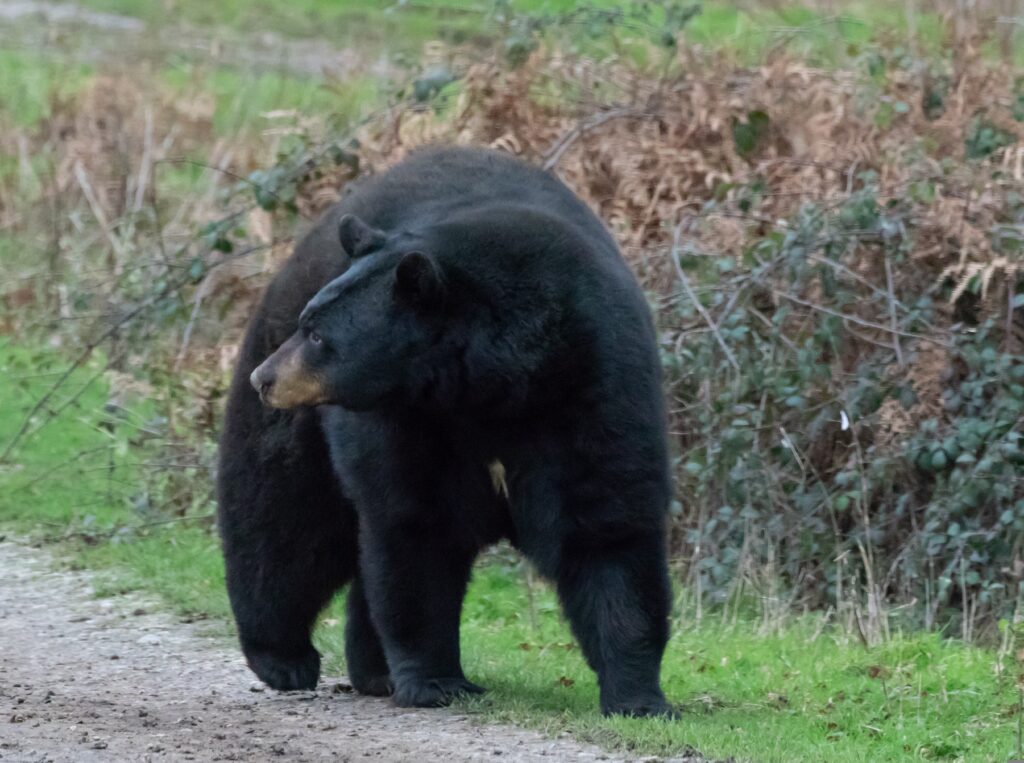
Many people believe that a bear standing on its hind legs is taking a threatening stance, indicating that it is going to attack. This is due in part to portrayals of bears in movies and pop culture, which often depict bears standing on their hind legs before roaring and then lunging at a person they encountered. However, standing on hind legs is often a sign of curiosity rather than danger. Standing up gives bears a better view over obstacles that may be directly in front of them. Bears also use this stance to catch the wind carrying the scent of what it is observing. So, in truth, this is an observational behavior rather than a threatening one. When bears attack, they often do it on all fours and with their heads down.
Although bears can pose a risk if encountered, the truth is that they are not naturally aggressive towards humans. Both black and brown bears are naturally shy and conflict-avoidant creatures that often choose to flee when faced with humans rather than fight. However, when bears feel threatened, cornered, or surprised, these creatures can turn hostile.
Often this aggression occurs when a bear is surprised at close range, protecting their cubs, or guarding food sources. Bears can also become increasingly dangerous if exposed to human food sources. When bears become conditioned to accept easy sources of food from humans, they may become too comfortable, and the food becomes an expectation. The bears may become more agitated if this expectation is not consistently met, leading to more aggressive behavior.
It is worth noting that brown bears can be more dangerous in an encounter than black bears. This is because they tend to attack more aggressively when provoked than black bears do, but they are not more naturally aggressive than black bears. Regardless of their nature, bears’ aggression is usually a reaction to communicate dominance or a defensive move to scare away something they deem as a threat.
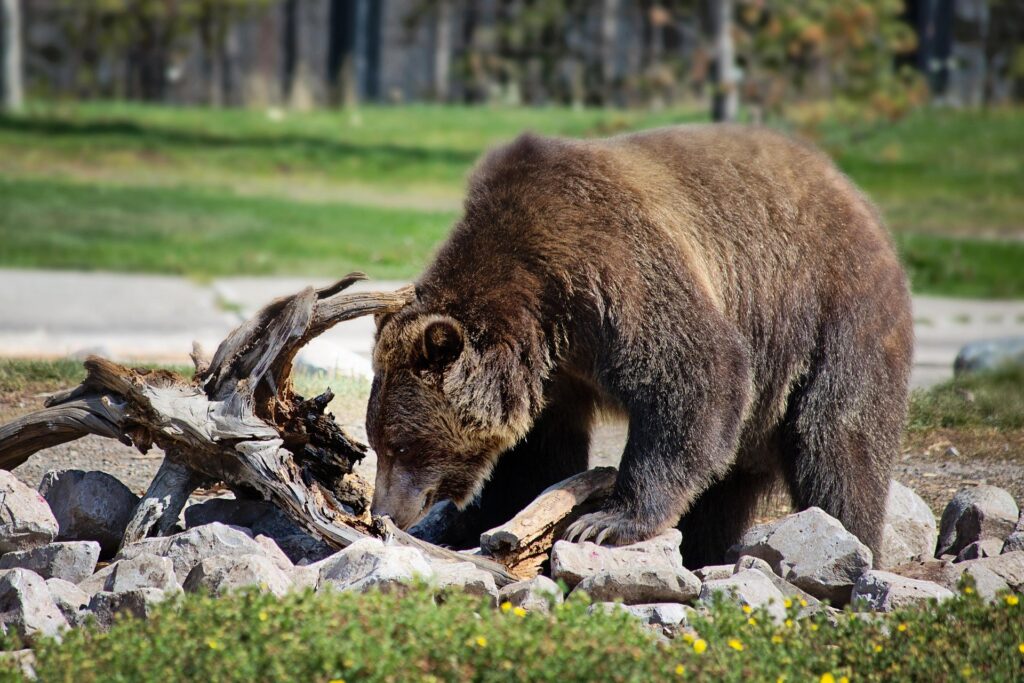
There seems to be a lot of misunderstandings surrounding the nature of bears and how their behaviors can be interpreted. Knowing the right way to safely deal with bear encounters can make an incredible difference. When you are in the wilderness, there are some best practices you can take to avoid encounters with a bear. These include:
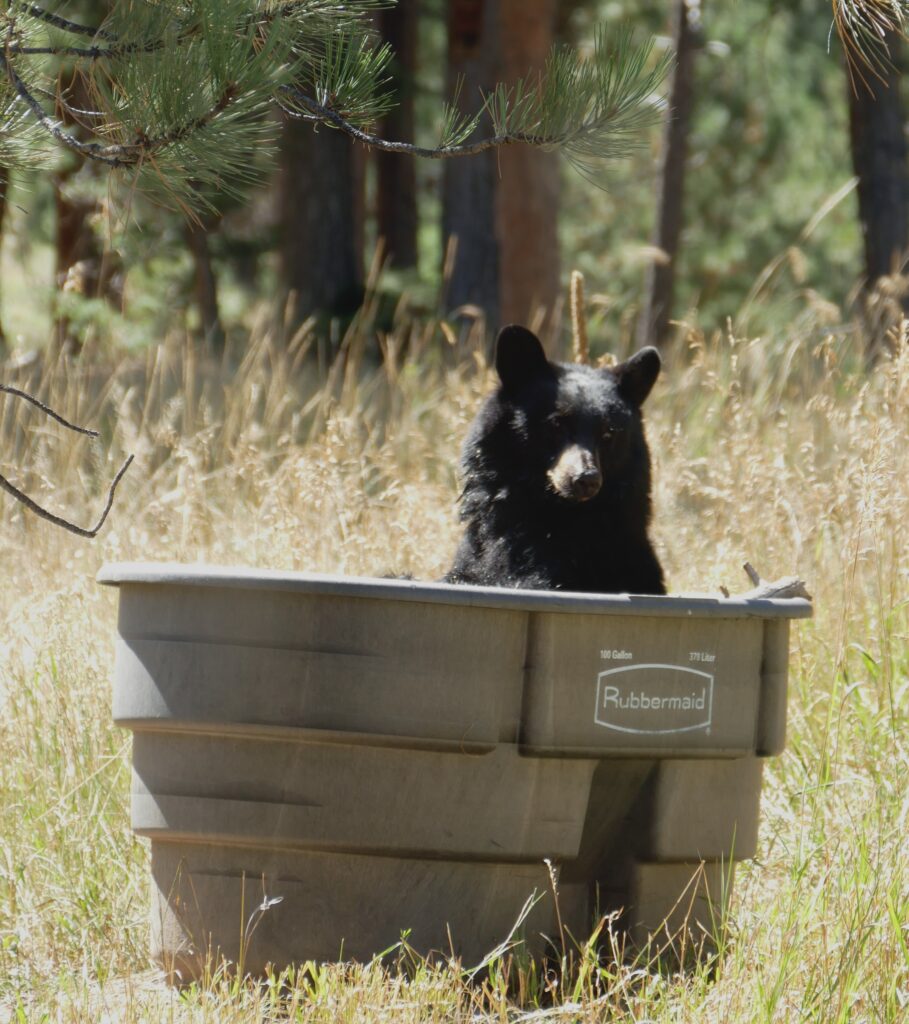
If you encounter a bear, the first thing you should do is remember to stay calm and don’t run. Running can trigger a bear’s chase instinct, and it is impossible to outrun one a bear. Do not approach the bear. Give it plenty of space and leave the area if possible.
Talk softly towards the bear in a firm tone so that it can identify you as a human. If it can recognize you as human instead of prey, it will likely see no reason to attack you if it does not see you as a threat.
Then back away slowly without turning your back to the animal, avoiding eye contact with the bear as you do so. Avoid sudden movements. If possible, make yourself look larger. You want to put as much space as possible between you and the bear, and by no means do you want to attempt to get between a mother bear and its cubs. Give the bears plenty of room, so it feels comfortable to escape from the encounter instead.
Next, identify if it is either a black or a brown bear. Brown bears tend to generally be much larger than black bears and have a distinctive shoulder hump that black bears do not have. Black bears also have more evenly sloped faces than brown bears, which have more rounded faces.
If it seems the bear is going to attack you there are different ways you should handle this depending on bear type. If it is a brown bear, the best thing you can do is lie on your stomach, clasping your hands behind your neck and spreading your legs. In this position, you can play dead and lay in a position that makes it difficult for the bear to flip you over. If the bear attacks and persists, then you should try to fight back.
If a black bear attempts to attack you, your best defense is bear spray that functions similarly to pepper spray. Bear spray has proven highly successful at stopping aggressive black bears. You can also fight back using anything available such as rocks, sticks, and walking sticks.
Although the thought of encountering a bear can be scary, understanding these animals and knowing how to handle them in the wild can make camping and hiking a lot more comfortable and enjoyable of an experience. The more you know about how to deal with a bear and interpret its behavior, the more you can share that knowledge with your community. This can help those you care about stay safe while enjoying the outdoors.


Click HERE to find out more!

An Outdoor Adventure in an Overgrown Ghost Town
Eleven Days, Thirteen Clues, and One Kid Who Won’t Give Up
Can 12-year old Cricket survive on her own in an overgrown ghost town? Join Cricket as she forages, explores the outdoors, and tries to solve a thirty-year-old art mystery clue trail.
Click HERE to find out more!
Free Lesson Plans available!